
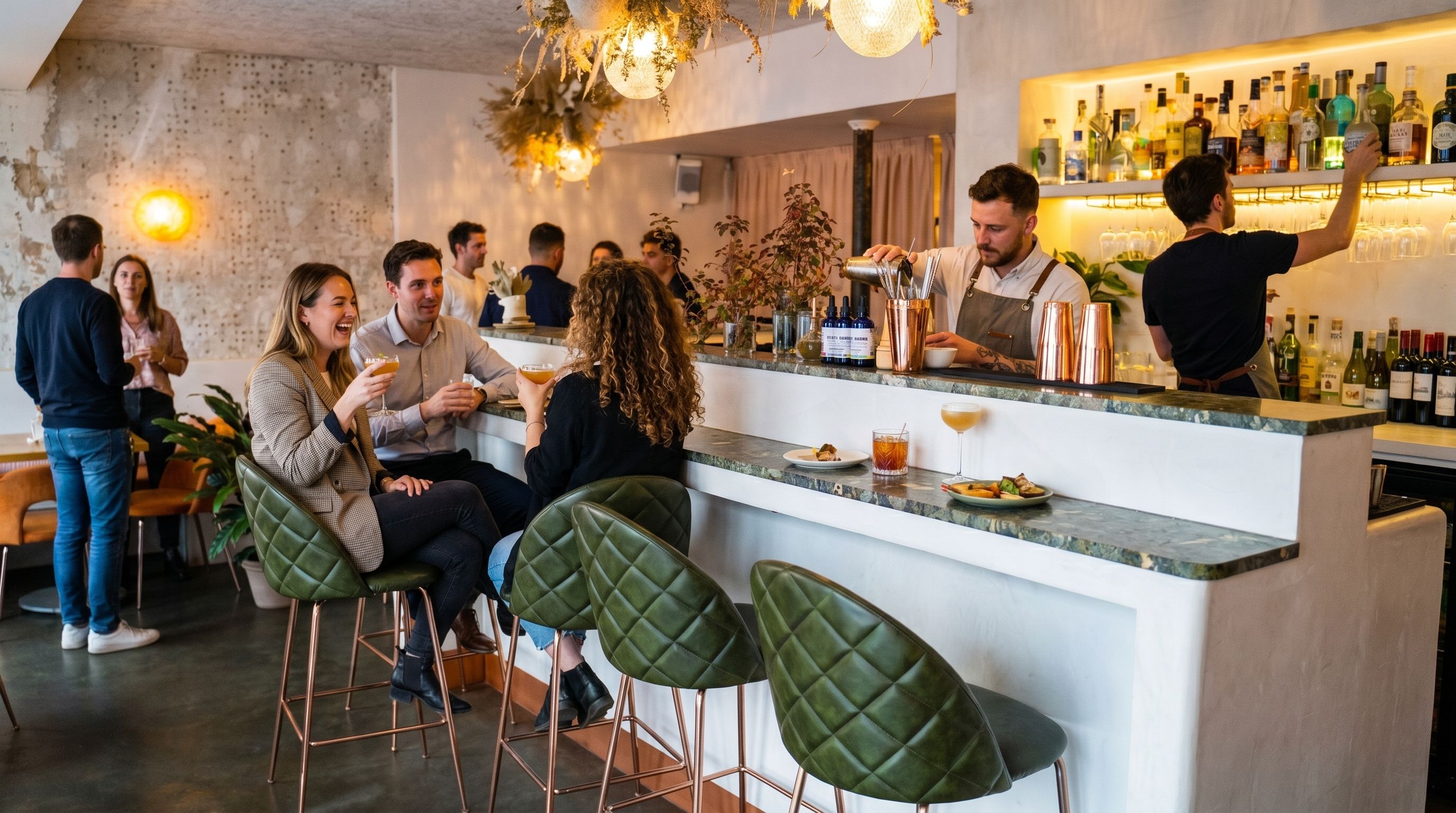
Palestinian Food in Paris: How Dirty Lemon is Quietly Leading a Culinary Revolution
By SupperClub Editorial Team · Last updated:
There is a particular kind of restaurant that arrives not with fanfare but with a quiet certainty, one that does not need to announce itself because the food speaks before anything else does. Dirty Lemon in Paris is that restaurant. In a city that has absorbed culinary traditions from every corner of the world and made them its own, Palestinian cuisine has been conspicuously absent from the conversation. Dirty Lemon is changing that course by course, table by table, and in doing so, it has become one of the most talked-about openings in the French capital.
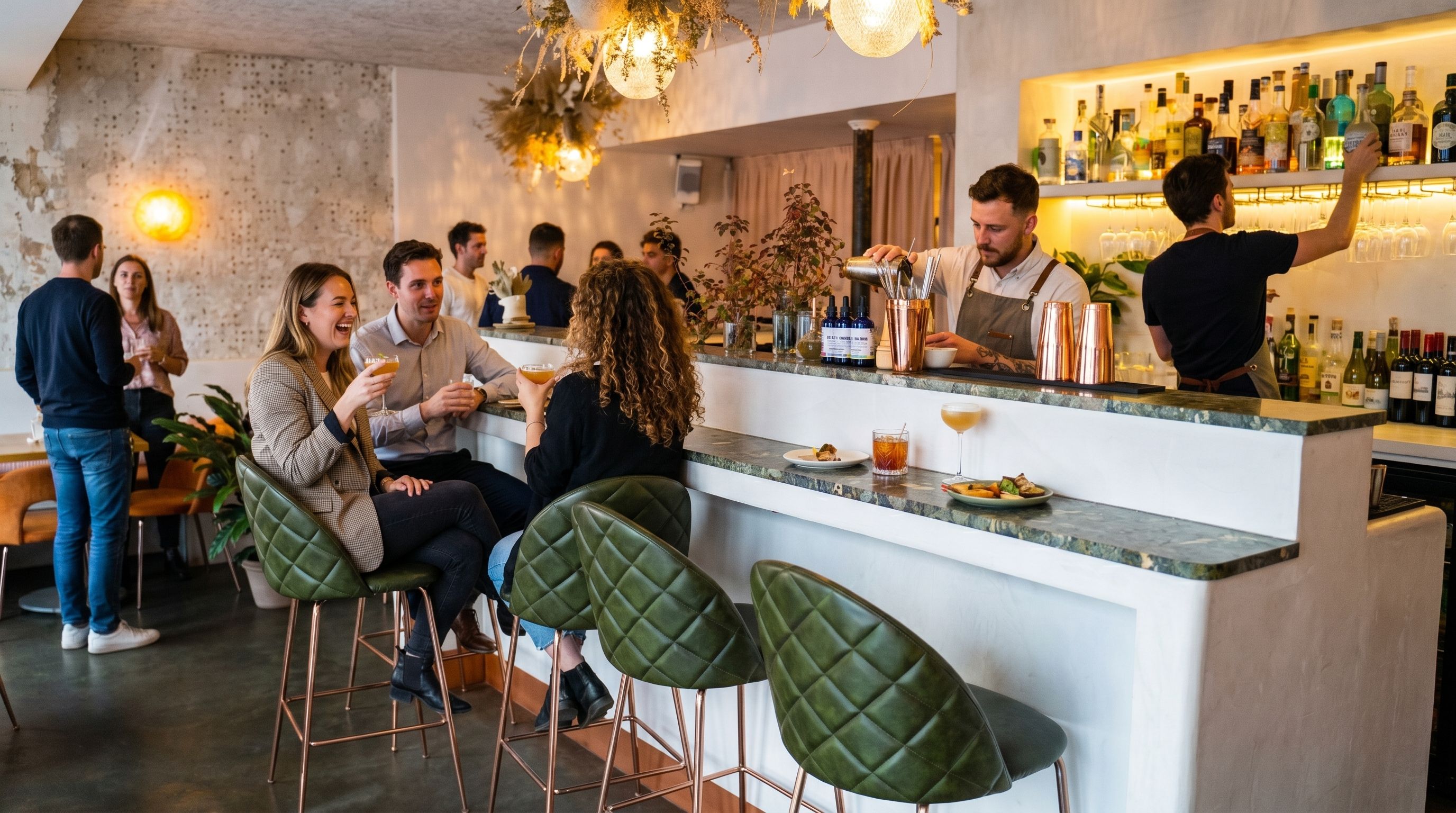
The Case for Palestinian Cuisine in Paris
Palestinian food is, at its heart, a cuisine of place and memory. Rooted in the agricultural traditions of the Levant: olive groves, herb-rich hillsides, coastal fishing communities, and the wheat fields of the interior. It is cooking that carries history in every dish. Musakhan, with its layers of flatbread, caramelised onions, sumac, and roasted chicken. Maqluba, the upturned pot of rice, vegetables, and meat that transforms the act of serving into a moment of theatre. Knafeh, the semolina and cheese dessert soaked in orange blossom syrup that has sparked passionate debates about ownership across the entire Levant.
This is a cuisine with depth, regional variation, and a story worth telling which makes its relative absence from Paris's otherwise encyclopaedic restaurant landscape all the more surprising. According to Le Fooding, one of France's most trusted independent restaurant guides, the most exciting arrivals in Paris in recent years have consistently come from cuisines that the city had previously underserved. Palestinian food fits that description precisely.
Dirty Lemon: The Restaurant
The Philosophy of the Kitchen
Dirty Lemon does not approach Palestinian cooking as a curiosity or an exhibit. The kitchen cooks this food because it knows this food with the ease and authority of a culinary tradition passed through families rather than acquired through research. The menu is built around the communal eating instinct that defines Palestinian hospitality: dishes designed to be shared, a pace that encourages the table to linger, and portions that reflect the Palestinian understanding that generosity at the table is not incidental but essential.
The cooking is confident without being showy. Spicing is precise: za'atar, sumac, dried lemon, and warm spice blends are applied with a restraint that amplifies rather than overwhelms the primary ingredient. Olive oil, arguably the most important element of Palestinian cooking, is used with appropriate generosity throughout. The bread, made in-house, arrives warm and serves as both utensil and protagonist depending on the course.
What to Order
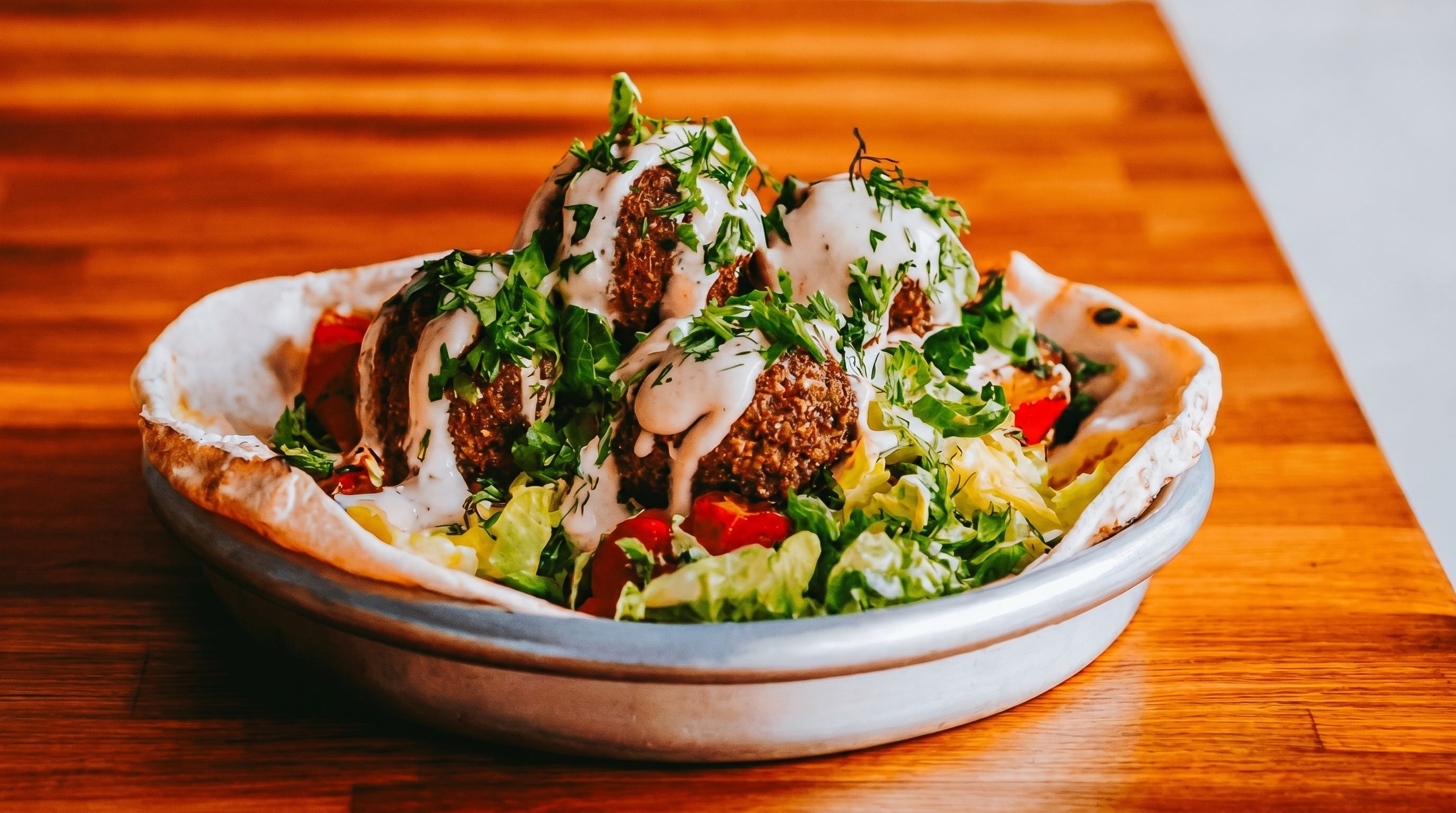
For first-time visitors, the mezze selection provides the most complete introduction to the kitchen's range. Cold dishes – hummus, mutabbal, fattoush, and labneh – are executed with the kind of care that makes immediately clear these are not afterthoughts but the foundation of the meal. The hot mezze section extends the conversation: fried cauliflower with tahini, stuffed vine leaves with lemon, kibbeh with pine nuts and spiced meat.
Main courses reward those who resist filling up on mezze, though that requires some discipline. The slow-cooked lamb dishes in particular demonstrate the kitchen at its most accomplished: meat that has been given the time and patience its flavour demands, served with rice that has absorbed the cooking juices and become, in its own way, as much a part of the dish as the meat itself.
The Room and the Experience
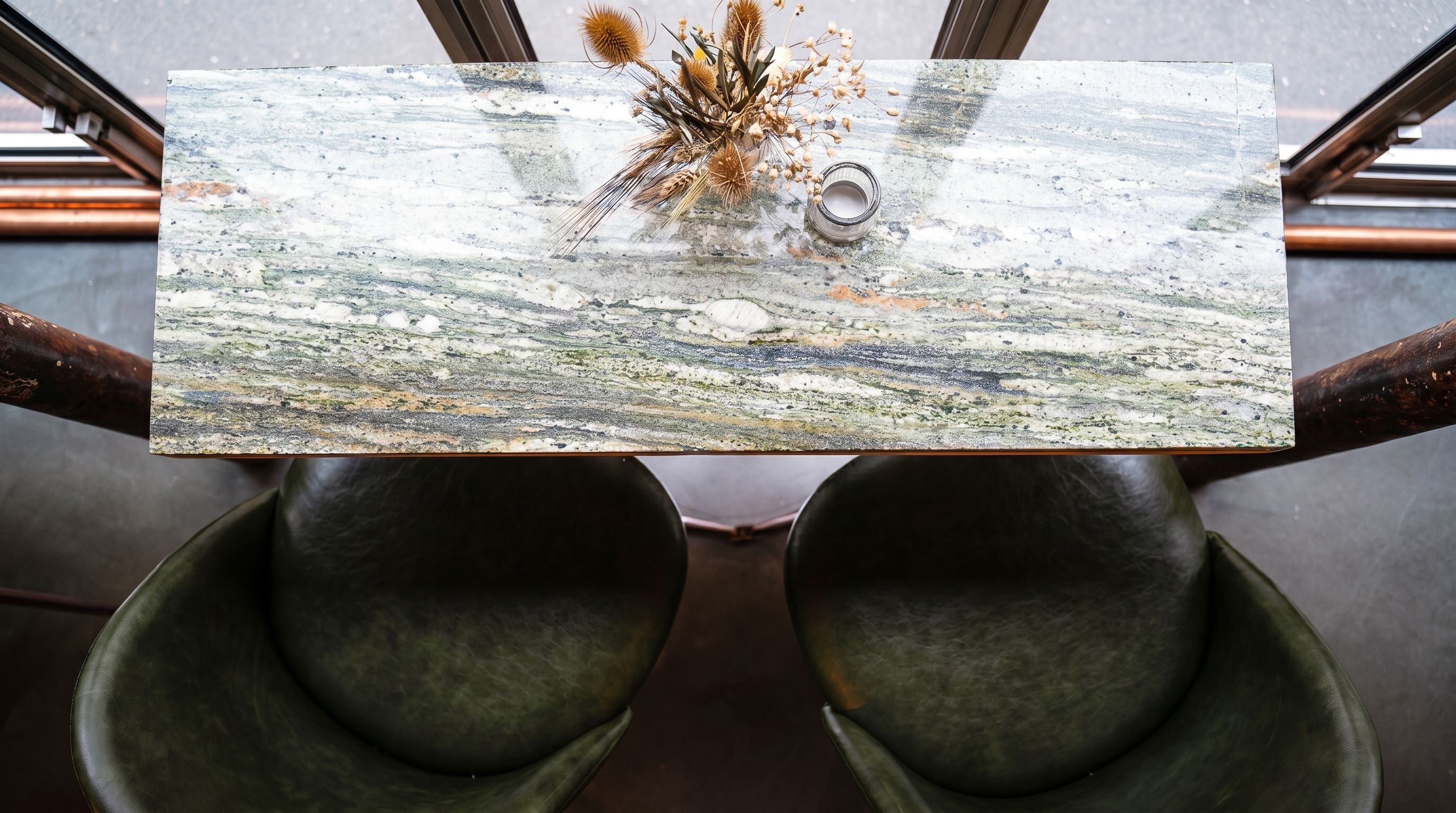
The dining room at Dirty Lemon carries an atmosphere that feels both specifically Parisian and culturally rooted. A combination that is harder to achieve than it sounds. The décor draws on Palestinian visual and material culture without tipping into the folkloric. The music creates energy without intruding on conversation. The service has the warmth that characterises Palestinian hospitality at its best: attentive without being managed, generous without being performed.
For visitors from the Arab world, particularly those from the Gulf, where Palestinian diaspora communities are significant and where this food is known and loved. Dirty Lemon offers something that Paris has rarely provided before: a meal that feels genuinely like home.
Palestinian Cuisine and the Broader Paris Dining Moment
Dirty Lemon does not exist in isolation. It is part of a broader shift in Paris's dining culture. One that has seen the city open itself, with increasing confidence, to culinary traditions that fall outside the European mainstream. Filipino cooking, now represented by Reyna, Southeast Asian nostalgia through Mischief, and French-Mexican fusion at Le Saint Sébastien are all part of the same movement. A Paris that is finally eating the world as fluently as it has always claimed to.
That Palestinian cuisine has found its champion in Dirty Lemon, and that Dirty Lemon has found its audience in one of the world's most demanding cities, says something meaningful about both the restaurant and the moment. The revolution, if that is what it is, is being conducted very quietly indeed. One mezze plate at a time.
Book Your Table at Dirty Lemon with SupperClub
Dirty Lemon is available to SupperClub members at 15% off the total bill, no vouchers, no codes, nothing at the table to suggest you paid anything other than full price. For those building a Paris dining itinerary, it pairs naturally with the city's other exciting independent openings, all of which are covered in SupperClub's full Paris guide.
Recommended for you
Now on Supper Club
Friday Brunch in Dubai 2026: The Best Friday Night Brunches & Offers
23 October 2026
Now on Supper Club
Fairmont Bab Al Bahr Brunch: Price, Pool Access & Grand Mosque Views
16 October 2026
Now on Supper Club
The Best Brunches in Abu Dhabi (2026 Weekend Guide)
14 October 2026
Now on Supper Club
Best Brunch in Singapore 2026: Lazy Sundays, Luxury Deals & Where to Actually Book
8 July 2026